In recent years, there’s been a striking shift in home design. Homeowners and architects are increasingly turning away from traditional tile or slate finishes toward materials and design principles once reserved for factories and warehouses. What began as an architectural experiment has become an enduring trend — a move toward urban minimalism and sustainable design. This is where industrial roofing takes centre stage, transforming both the visual and functional character of contemporary homes.
Industrial materials have long been prized for their robustness and low maintenance needs. Now, those same qualities are being reimagined for domestic use, resulting in homes that combine industrial practicality with bold, architectural style.
Why Industrial Roofing Works So Well for Residential Designs
One of the most compelling aspects of industrial roofing is its ability to deliver strength without sacrificing elegance. Modern metal roofing systems, for instance, are lightweight, long-lasting, and fully recyclable. Their sleek, linear profiles create sharp, modern silhouettes that appeal to homeowners seeking a refined yet rugged look. Architects appreciate this material versatility — enabling creativity across pitched, curved or flat roof designs.
Furthermore, industrial-grade roofing solutions offer excellent weather resistance, making them ideal for the British climate. Coated steel, aluminium, or zinc panels can easily withstand driving rain, fluctuating temperatures and coastal air — qualities that protect homes in both suburban and rural settings. For properties prioritising energy performance, insulated roofing panels also help maintain indoor comfort while reducing heating costs.
Sustainability and the Environmentally Conscious Home
Sustainability is now at the core of modern architecture. Industrial roofing materials are leading the way, thanks to their longevity and recyclability. Many contemporary roofing systems are manufactured from recycled metals and are themselves 100% recyclable at end-of-life. This makes them a strong choice for eco-conscious homeowners who want stylish design without environmental compromise.
Additionally, reflective coatings and energy-efficient finishes can reduce heat gain during the summer months — especially valuable in urban locations where overheating is a growing concern. When combined with solar panels or green roof sections, industrial roofing contributes to genuinely sustainable living spaces.
Architectural Style Meets Industrial Function
Architect-designed homes that incorporate elements of industrial design tend to balance artistry and engineering. The interplay of raw materials — such as steel, timber, and glass — creates spaces that feel both robust and refined. Roofing plays a central role in that aesthetic. Corrugated steel sheets or standing seam metal panels evoke a subtle industrial charm while complementing clean architectural lines.
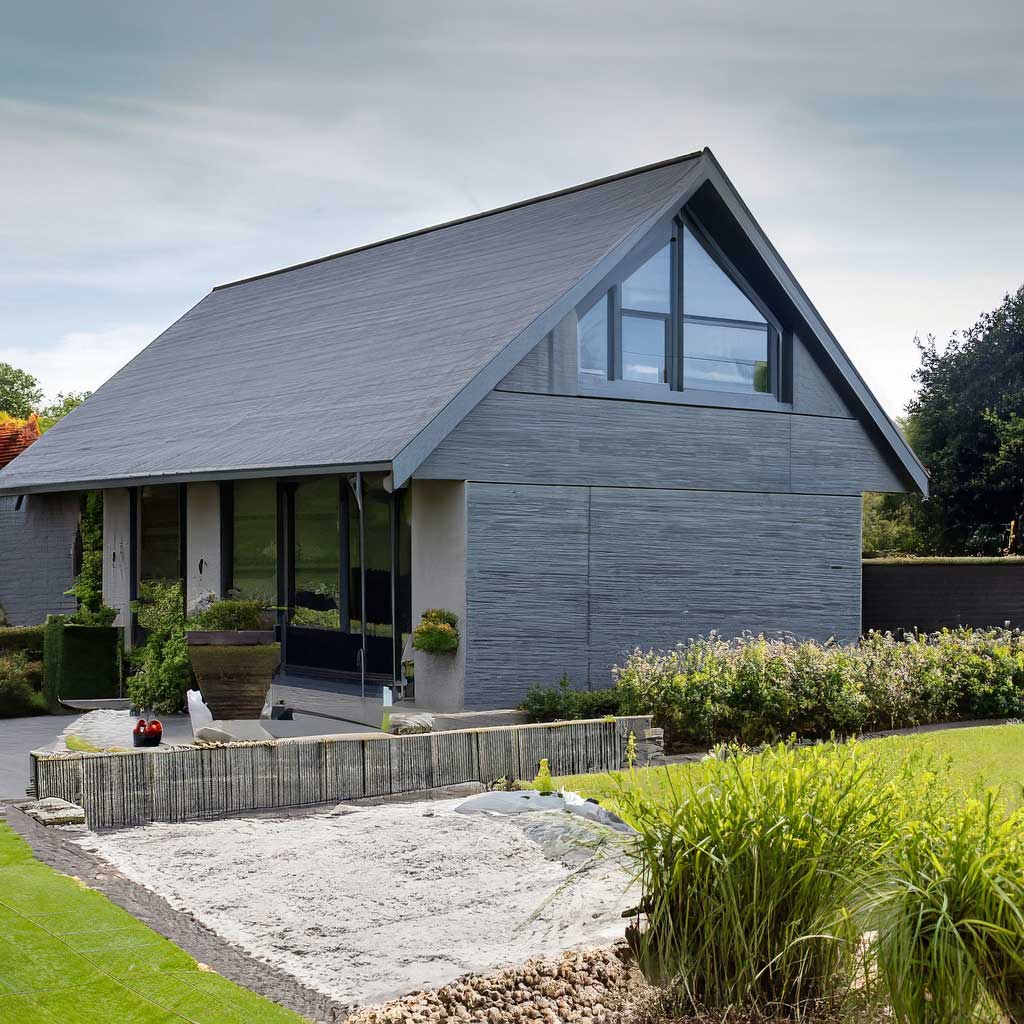
For example, many architects designing rural retreats and coastal homes use dark, powder-coated metal roofing to contrast beautifully with the natural landscape. Others adopt galvanised or zinc finishes for an understated, modern edge. These materials are not only visually arresting but functional, serving as long-term structural protection and a distinctive architectural feature.
Balancing Cost, Aesthetics and Durability
While industrial roofing systems can cost more to install than traditional tiles initially, their long-term value is hard to ignore. The minimal maintenance requirements and exceptional lifespan — often 40 years or more — make them an investment in both durability and design. When you factor in energy savings and reduced repair needs, the overall cost-efficiency becomes clear.
As demand for modern, architectural homes grows, industrial roofing continues to find new applications. From loft-style extensions in London to cutting-edge countryside houses in the Cotswolds, this style suits a remarkable range of projects while allowing architects to push design boundaries.
The Future of Residential Roofing Design
The integration of industrial materials into residential design marks a powerful shift in how we think about homes. Metal and composite roofs are redefining the visual language of domestic architecture — sleek lines, sustainable materials and functional strength converging into something distinctly modern. For homeowners planning a renovation or new build, it’s an exciting time to explore new materials that bridge beauty and resilience.
What once belonged exclusively to the world of industry has now become a symbol of modern living — a rooftop statement of strength, sustainability and style.
Featured image credit: The Listed Home