When designing or renovating a building, energy efficiency and structural performance are top priorities. Modern construction materials have evolved to meet these demands, offering solutions that save money, time, and environmental resources. Among these, insulated wall panels are becoming increasingly popular in both commercial and residential projects.
What Are Insulated Wall Panels?
Insulated wall panels, often referred to as sandwich panels, are prefabricated components that combine structural strength with thermal insulation. They typically consist of two outer layers, usually metal or composite boards, with a core material such as polyurethane, polystyrene, or mineral wool sandwiched in between.
These panels are designed to improve building performance by reducing heat loss, maintaining consistent indoor temperatures, and lowering energy bills. They are widely used in warehouses, factories, cold storage units, and even modern homes.
Advantages of Using Insulated Wall Panels
Insulated wall panels offer a range of benefits for builders and property owners alike. Here are some of the key advantages:
- Energy Efficiency: High-quality panels can dramatically reduce heat transfer, lowering heating and cooling costs.
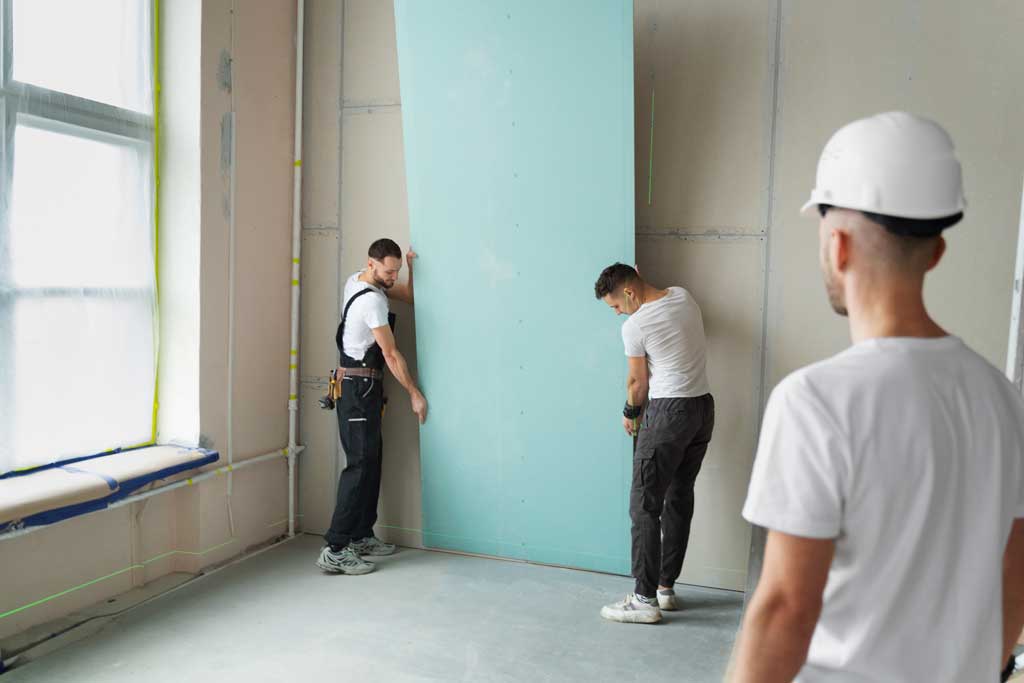
- Quick Installation: Being prefabricated, these panels can be installed rapidly, cutting down on labour costs and project timelines.
- Durability: The outer layers protect against weather, fire, and pests, ensuring a long lifespan.
- Aesthetic Flexibility: Panels come in various finishes and colours, allowing designers to maintain architectural appeal.
Types of Insulated Wall Panels
Choosing the right type of insulated wall panel depends on the project requirements, budget, and desired thermal performance.
Polyurethane Core Panels
Polyurethane panels are known for their excellent thermal insulation and lightweight properties. They are ideal for buildings where energy efficiency is crucial, such as cold storage facilities.
Mineral Wool Core Panels
Mineral wool panels provide superior fire resistance while still offering good insulation. They are often used in industrial buildings where fire safety regulations are stringent.
Polystyrene Core Panels
Polystyrene panels are a cost-effective option with moderate thermal insulation. They are suitable for residential and commercial projects where budget constraints are a consideration.
Installation Tips for Maximum Performance
Proper installation is essential to ensure insulated wall panels deliver their full benefits. Panels should be installed by experienced professionals to maintain airtightness and prevent thermal bridging. Additionally, attention should be paid to the joining sections, fasteners, and sealing materials to avoid potential energy loss or moisture infiltration.
Maintenance and Longevity
One of the advantages of insulated wall panels is that they require minimal maintenance. Regular inspection for signs of damage or corrosion, particularly around edges and fasteners, is recommended. With proper care, these panels can last for decades, offering consistent thermal performance throughout their lifespan.
Why Insulated Wall Panels Are a Smart Investment
Investing in insulated wall panels can save money in the long run by reducing energy bills and maintenance costs. Their quick installation also means shorter construction periods, which can accelerate project timelines. For environmentally conscious developers, the energy savings contribute to lower carbon emissions, aligning with the UK’s sustainability goals.
Insulated wall panels are more than just construction materials—they are a practical, cost-effective solution for creating energy-efficient and resilient buildings. From their superior insulation properties to quick installation and low maintenance, they offer a smart choice for modern architecture in the UK.
Featured image credit: FREEPIK